A Life Cut Short by Avoidable Medical Tragedy
Harrison Willson was born on October 24, 2000, into a loving family in England. He came into the world with truncus arteriosus, a serious congenital heart defect where the aorta and pulmonary artery fail to separate, instead forming a single trunk arising from the heart. Yet despite this condition, Harrison lived a full and vibrant life—a bright, active teenager who loved his family, attended school, and dreamed of his future. His parents, Kathleen and David Willson, devoted themselves to ensuring their son received the best possible care, moving the family to the United States so Harrison could be treated at world-class medical centers.
By August 2015, as Harrison approached his 15th birthday, his pediatric cardiology team at Children's Healthcare of Atlanta's Sibley Heart Center was monitoring a developing problem: his right ventricle-to-pulmonary artery conduit—essentially a surgical "pipe" placed during his first surgery as an infant—had become narrowed, with a pressure gradient that had increased to a severe 70 millimeters of mercury. Standard cardiac imaging also revealed that his aortic root had become dilated at 4.8 centimeters. Under normal circumstances, this would have warranted a straightforward conduit replacement, a procedure Harrison had already undergone successfully as a young child. But rather than simply replacing the conduit, his medical team proposed something far more ambitious and ultimately catastrophic.
The Decision That Changed Everything
In October 2015, Dr. Ritu Sachdeva, Harrison's pediatric cardiologist, consulted with her colleagues at Sibley Heart Center—including Dr. Denver Sallee, the aortopathy specialist, and Dr. Kirk Kanter, the surgeon who had successfully operated on Harrison years before. They presented the family with two options. The first was to place a Melody valve in the conduit using a minimally invasive catheter-based procedure, then monitor the aorta with regular MRI scans. The second was to perform open-heart surgery to replace both the conduit and perform a valve-sparing aortic root replacement—a procedure never before documented as performed on a truncus arteriosus patient with a previously repaired heart.
What Dr. Sachdeva and the cardiology team failed to disclose to Harrison and his parents was a critical medical fact: the dilated aortic root they were so concerned about was not abnormal for a truncus arteriosus patient. According to expert congenital heart surgeon Dr. David Morales in his deposition testimony, "All of their aortas are big. Always multiple Z-scores above normal dimensions." When asked if there had ever been a case of aortic dissection or rupture in a truncus arteriosus patient, Dr. Morales testified unequivocally: "the answer is always no." He further stated that the risk of aortic dissection in Harrison's case was "infinitesimally small" and that if presented to the Society of Thoracic Surgeons, the consensus would be a clear "no" to operating on Harrison's aortic root.
A Surgeon With No Experience in Truncus Surgery
In November 2015, Dr. Sachdeva sought a "second opinion" from Dr. Edward Chen, a highly skilled adult cardiothoracic surgeon at Emory University specializing in complex aortic root replacements. What the family was not told—and what would later be revealed in deposition testimony—was that Dr. Chen had never before performed a valve-sparing aortic root replacement on a truncus arteriosus patient. In fact, Harrison Willson became the first and only truncus patient Dr. Chen has ever operated on using this procedure. Dr. Chen had performed only one truncus repair surgery during a four-month training rotation at CHOA in 2003, and had no experience managing the specific anatomical complexities of truncus patients' cardiac structures.
When Dr. Chen met with Harrison and his parents in his office in mid-December 2015, he characterized the procedure as "complex" but assured them the mortality risk was only 5 percent. The family—particularly Harrison, who was described by his parents as "risk-averse"—would not have consented to the surgery had they known Dr. Chen later admitted in his deposition it was a "very high risk" operation. Moreover, Dr. Chen failed to disclose that this was an entirely novel procedure he had never performed before, that Harrison's family had initially expected Dr. Kanter to perform the surgery at Children's Hospital, and that operating at Emory St. Joseph's Hospital—rather than at a pediatric specialty center—meant Harrison would receive post-operative care from a team with little experience managing pediatric patients on extracorporeal membrane oxygenation (ECMO).
Complications and Institutional Failure
On January 29, 2016, Dr. Chen performed the surgery at Emory St. Joseph's Hospital. The procedure was immediately complicated. Dr. Morales, reviewing the surgical record, identified critical departures from standard of care. Most significantly, the surgical team failed to place a left heart vent during cardiopulmonary bypass—a standard procedure that would have been done by a congenital heart surgeon and would have prevented the catastrophic lung damage Harrison subsequently suffered. Dr. Morales testified that this fundamental omission, combined with the coronary artery complications that arose, created a cascade of surgical complications from which Harrison could not recover.
Harrison remained on ECMO support for nearly a month at St. Joseph's as his condition deteriorated. Dr. Michael Wolf and Dr. Glen Iannucci, pediatric cardiac intensivists from Emory's other facilities, communicated that St. Joseph's had "little to no experience managing VV ECMO," and staff were attempting to wean Harrison off ECMO as if he were on a different type of support entirely. One month after the surgery, Dr. Denver Sallee—who had been part of the initial decision-making process—sent an email to Dr. Chen stating that going forward, all surgeries on pediatric patients under 18 would be performed at CHOA, not at St. Joseph's, due to post-operative care deficiencies.
During his transfer to Children's Healthcare of Atlanta, a perforated mitral valve was discovered—a catastrophic surgical complication that had occurred during Dr. Chen's procedure and had gone undetected for weeks, further preventing Harrison from being successfully weaned from ECMO. Despite heroic efforts by the entire pediatric cardiology team at CHOA Egleston, Harrison Willson died on March 19, 2016, at age 15, from complications of a surgery that should never have been performed.

A Conspiracy of Silence
What makes Harrison's death even more tragic is that the surgical community and the defense later attempted to obscure these facts. Dr. Morales had provided devastating expert testimony that Harrison's surgery fell below the standard of care. Yet Harrison's family's original attorney, John Mabrey, abandoned representation after securing Dr. Morales' testimony, leaving the family to represent themselves against summary judgment motions filed by Emory's legal team—a tactic that prevented their case from proceeding to trial despite overwhelming evidence of medical negligence.
The Enduring Legacy
Harrison Willson was a vibrant, loving teenager surrounded by parents who would have done anything to protect him. Kathleen and David Willson made decisions in good faith based on the advice of physicians at prestigious institutions. They trusted that their son would receive appropriate care and that decisions made on his behalf would be guided by sound medical judgment and his best interests. Instead, their 15-year-old son was subjected to an experimental procedure with no established medical indication, performed by a surgeon with no experience in truncus arteriosus, at a hospital inadequately equipped for the complications that would inevitably arise—all while the true facts about risks and alternatives were withheld.
Harrison's family has demonstrated extraordinary courage and commitment to ensuring that his death was not in vain. They have refused to remain silent about the medical negligence and subsequent legal conspiracies that took their son. Their determination to expose these systemic failures honors Harrison's memory and serves as a clarion call for reform in medical accountability, institutional governance, and the protection of vulnerable patients from predatory legal tactics designed to suppress the truth.
Key Medical Facts for the Record:
According to Dr. David Morales' expert testimony:
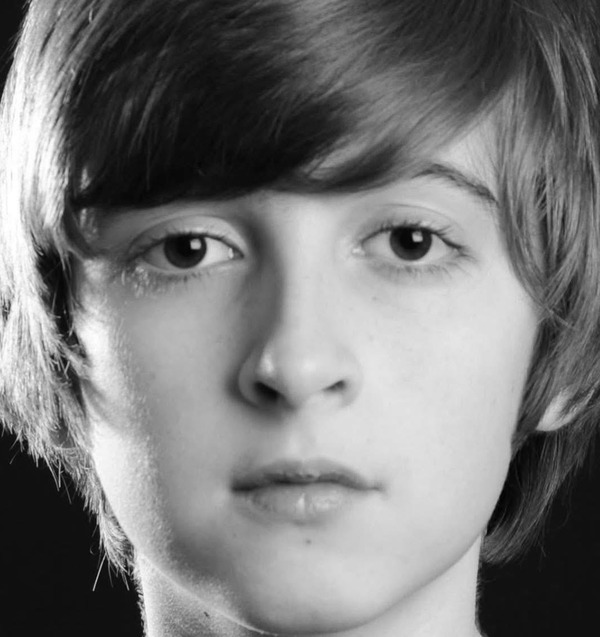
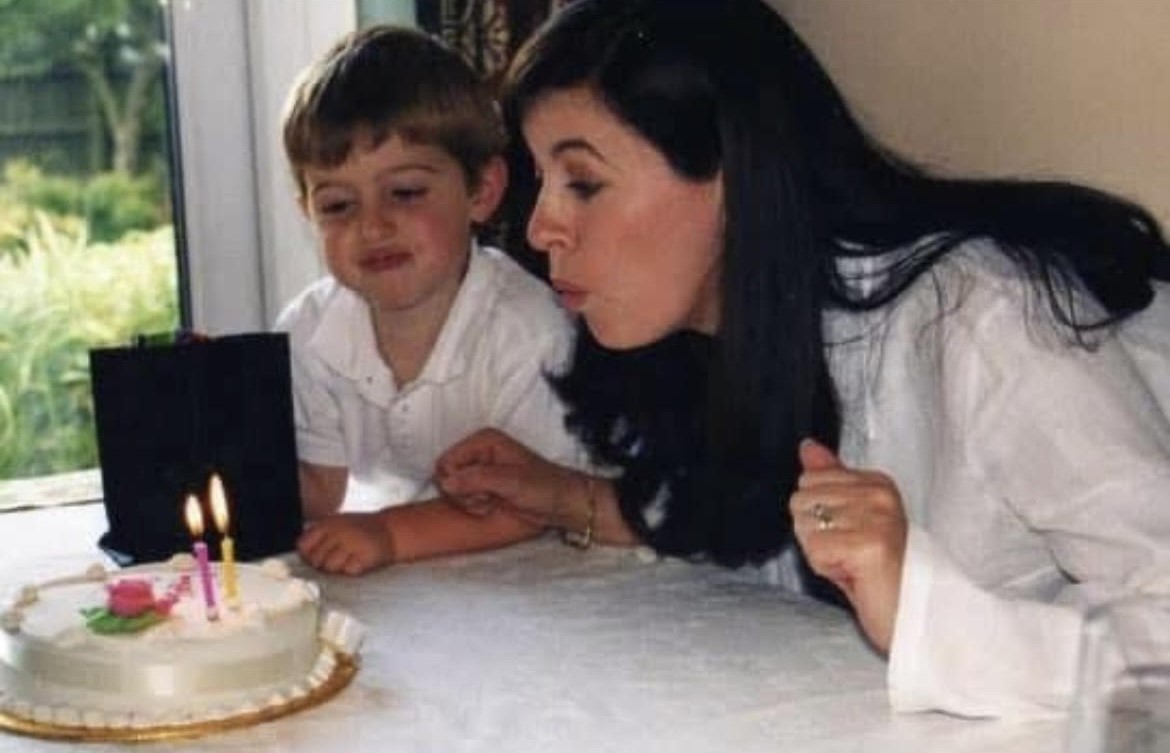
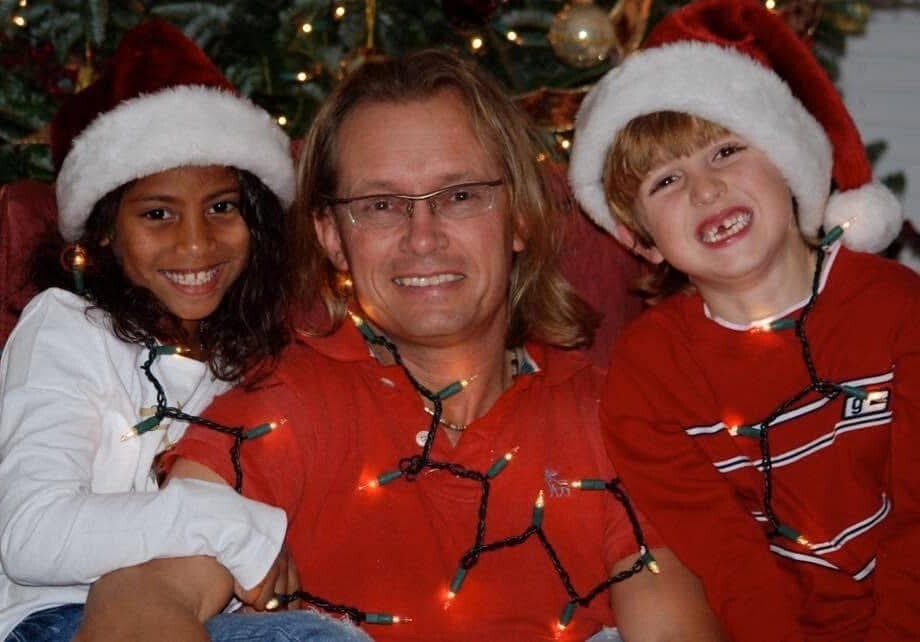
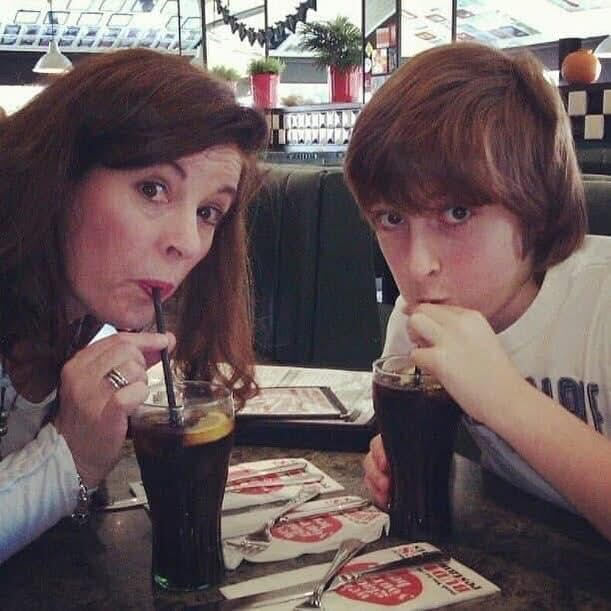
The five photographs accompanying this narrative show Harrison as he lived—a happy, healthy teenager surrounded by the family that loved him unconditionally, at moments of joy and connection that reveal the real human cost of the institutional failures and medical negligence that took his life.
CONTACT: DrDeasForSenate@proton.me | 251-635-2279
ELECTION DAY: May 19, 2026 - Republican Primary
Paid for by Deas For US Senate
Contributions or gifts to Deas For US Senate are not deductible as charitable contributions for federal income tax purposes.
Federal law requires us to use our best efforts to collect and report the name, mailing address, occupation, and name of employer of individuals whose contributions exceed $200 in an election cycle.
Federal law prohibits contributions from foreign nationals. Individual contributions are limited to $3,300 per election (primary and general are separate elections).
Dr. Dale Shelton Deas, Jr., MD's website is AmericanTruthDefense.is. Dr. Dale Shelton Deas, Jr., MD is running for US Senate of Alabama for the 2026 Election Cycle.